
December in America looks cozy from the outside—warm lights, holiday music, family dinners, and thick sweaters. But behind all that cheer, winter quietly takes a toll on health. Every year, the same pattern repeats: more colds, more fatigue, dry skin, poor sleep, and that constant feeling of being “off.”
Most people blame the cold weather. In reality, it’s not winter itself—it’s how we behave during winter.
Doctors often say the most common winter health problems aren’t caused by freezing temperatures, but by habits we fall into every December without realizing it.
Here are the top 10 winter health mistakes Americans make every December, and more importantly, how to avoid them without turning your life upside down.
Table of Contents
Why Winter Health Problems Increase Every December

Before we get into the list, let’s answer a common question:
Why do people get more sick in winter?
Because winter changes everything:
- We stay indoors longer
- We move less
- We eat heavier foods
- We sleep inconsistently
- We see less sunlight
All of this weakens the body’s natural defenses. Add holiday stress on top, and it becomes clear why winter illnesses spike every year.
1. Drinking Way Less Water Than the Body Actually Needs
This is probably the most overlooked winter health mistake.
In summer, thirst reminds us to drink water. In winter, that signal almost disappears—even though your body still needs hydration just as much.
Indoor heating dries out the air, your skin, and even your respiratory system.
Common signs of winter dehydration:
- Dry lips and cracked hands
- Headaches
- Low energy
- Constipation
Simple fix:
Drink water even when you’re not thirsty. Warm water, herbal teas, or lemon water make hydration easier in cold weather.
2. Destroying Sleep Schedules During the Holidays
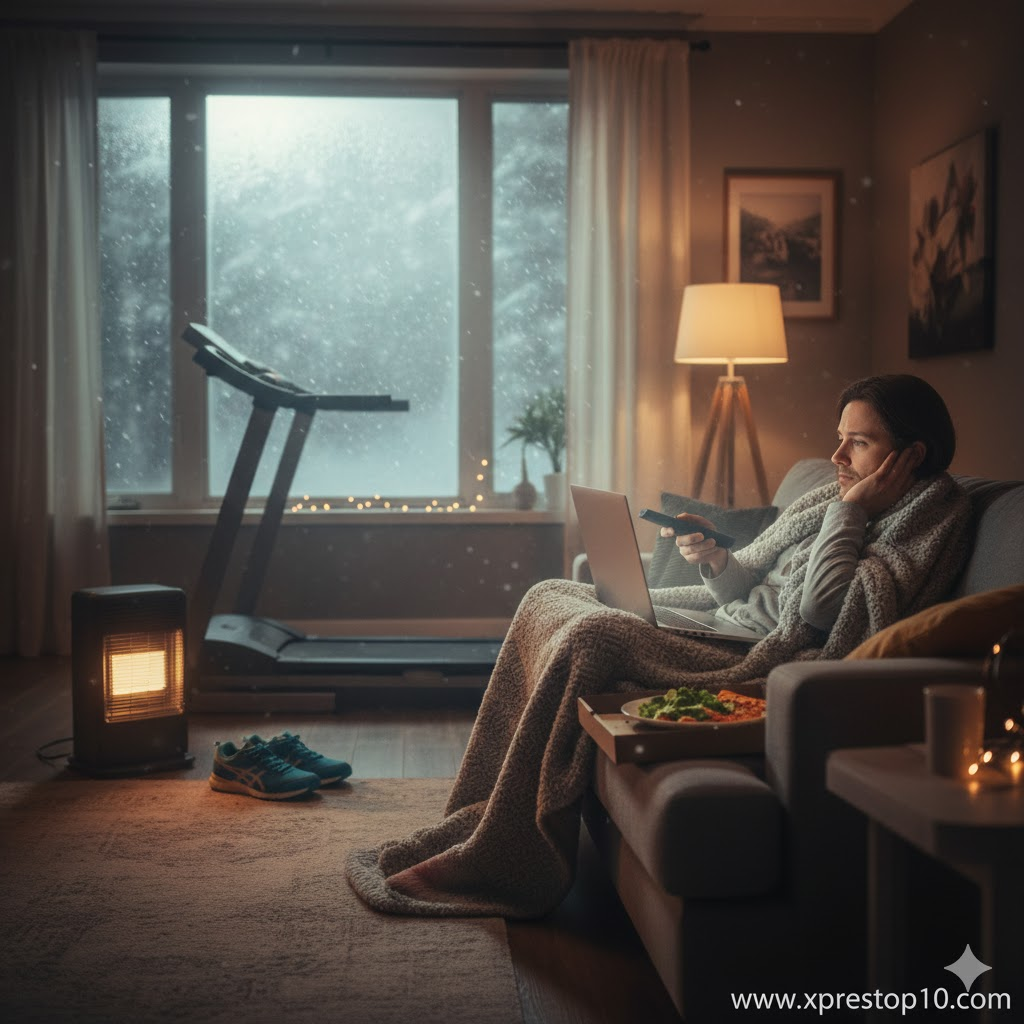
Late nights, holiday parties, travel, and screen time take over December.
People assume missing sleep for a few weeks doesn’t matter—but sleep loss directly weakens immunity.
Poor winter sleep can lead to:
- Frequent colds
- Mood swings
- Brain fog
- Weight gain
Simple fix:
You don’t need perfect sleep—just consistency. Even during holidays, going to bed and waking up around the same time helps more than people realize.
3. Overloading on Comfort Food Without Any Balance
There’s nothing wrong with enjoying holiday food. The problem is when every meal turns into a heavy one.
December diets are often high in sugar, salt, and refined carbs, which causes inflammation and weakens immune response.
Health problems caused by winter eating habits include:
- Digestive discomfort
- Blood sugar crashes
- Low energy
- Extra winter weight
Simple fix:
Enjoy comfort foods, but balance them. Add vegetables, protein, and fiber. You don’t need to “diet”—just don’t live on sugar alone.
4. Stopping Physical Activity Because It’s Cold
Cold weather kills motivation fast.
Gyms feel far away. Walks feel uncomfortable. So movement slowly disappears from daily life.
What happens when movement drops in winter:
- Stiff joints
- Poor circulation
- Low mood
- Weaker immunity
Simple fix:
Short workouts still count. Stretching, yoga, indoor walks, or even cleaning the house actively keeps blood flowing.
5. Staying Indoors All Day With No Fresh Air
Windows stay closed for weeks. Heaters run nonstop. Fresh air feels optional.
But poor indoor air quality is a major reason winter illnesses spread faster.
Common problems linked to indoor winter air:
- Dry throat
- Sinus pressure
- Headaches
- Recurring colds
Simple fix:
Open windows briefly each day. Use a humidifier if possible. Fresh air, even in small amounts, helps more than people expect.
6. Ignoring Vitamin D Without Realizing It
Vitamin D deficiency is extremely common in winter, especially in northern parts of the U.S.
Short daylight hours mean less sun exposure, which affects immunity and mood.
Low vitamin D symptoms often include:
- Fatigue
- Muscle aches
- Low immunity
- Seasonal sadness
Simple fix:
Include vitamin D-rich foods like eggs, fortified milk, and fatty fish. Many people also benefit from supplements (after consulting a doctor).
7. Dressing for Convenience Instead of Warmth
Running errands without proper layers might seem harmless—but repeated cold exposure adds stress to the body.
Health problems caused by cold exposure include:
- Reduced circulation
- Increased sensitivity to cold
- Higher risk of respiratory infections
Simple fix:
Layer properly. Protect hands, feet, neck, and ears. Staying warm helps the immune system do its job.
8. Postponing Doctor Visits Until “After the Holidays”
This is incredibly common.
People ignore symptoms because December feels “too busy” for appointments.
Why this is risky:
- Minor issues can worsen
- Infections linger longer in winter
- Chronic conditions flare up
Simple fix:
If something feels off, don’t wait. Early treatment saves time, money, and stress later.
9. Forgetting That Skin Needs Extra Care in Winter
Cold air strips moisture fast, yet many people use the same skincare routine year-round.
Common winter skin problems:
- Cracked hands
- Itchy skin
- Eczema flare-ups
Simple fix:
Switch to thicker moisturizers. Use gentle cleansers. Protect exposed skin when outdoors.
10. Ignoring Mental Health Because “It’s Just Winter”
Seasonal mood changes are real—and common.
Less sunlight, isolation, and holiday pressure can quietly affect mental well-being.
Signs winter is affecting mental health:
- Loss of motivation
- Irritability
- Low mood
- Social withdrawal
Simple fix:
Stay connected, get daylight exposure, move your body, and talk about how you’re feeling. Mental health matters year-round.
What Are the Most Common Winter Health Problems?

To sum it up, the most common winter health problems in America include:
- Colds and flu
- Dehydration
- Sleep disruption
- Vitamin deficiencies
- Dry skin
- Seasonal depression
Most of these aren’t caused by cold weather alone—they’re caused by habits.
Final Thoughts: Winter Health Is About Awareness, Not Perfection
You don’t need a perfect routine to stay healthy in December. Small changes—drinking more water, sleeping better, moving a little—make a huge difference.
Winter doesn’t have to be the season where health falls apart.
Pay attention to your habits, listen to your body, and take care of yourself the same way you would in any other season.